Extraordinary People Shouldn't Have to Carry Everything Alone Part II
“Recovery isn’t about becoming who you were before. It’s about discovering who you’re becoming.”
In Chapter One, we explored how women including Sophie Power, Ros Canter and Allyson Felix challenged outdated systems and helped change policies for mothers in sport.
Now, we meet four athletes who transformed not only their own careers, but the world’s understanding of what strength after motherhood can truly look like.
4. Serena Williams
The Champion Who Showed the World That Survival Is a Victory Too
When we think of Serena Williams, our minds instinctively go to her 23 Grand Slam titles, Olympic gold medals and the power and precision that changed women’s tennis forever.
But perhaps Serena’s greatest display of strength didn’t happen on Centre Court. It happened in a hospital room.
The birth that almost cost her life
In September 2017, Serena gave birth to her daughter, Olympia, by emergency Caesarean section after complications during labour.
For many families, the birth itself would have marked the end of an extraordinary chapter. For Serena, it was only the beginning of a frightening fight for survival.
Within hours of giving birth, she recognised that something was terribly wrong. Having previously experienced blood clots, Serena knew the symptoms and repeatedly told medical staff that she was struggling to breathe and believed she was developing another pulmonary embolism.
Initially, her concerns weren’t acted upon. It was only after she continued to insist that further tests were carried out, revealing multiple blood clots in her lungs.
The force of coughing caused her Caesarean wound to reopen, leading to further surgery and weeks of recovery spent largely confined to bed. Serena later reflected that almost everything that could have gone wrong did.
More than a personal story
Serena’s experience sparked conversations that reached far beyond sport.
Maternal mortality remains a significant public health issue around the world, with Black women disproportionately affected by complications during pregnancy and childbirth.
By speaking openly about what happened to her, Serena helped shine a light on inequalities that many women had experienced but few felt able to discuss publicly.
Her story reminded millions of women of something profoundly important: you know your body, and you deserve to be heard.
Returning on her own terms
Less than a year after nearly losing her life, Serena returned to Wimbledon.
Many expected her to show signs of rust. Instead, she reached the final.
She went on to contest four Grand Slam finals after becoming a mother, proving that she remained one of the greatest competitors the sport had ever seen. Although another Grand Slam title narrowly eluded her, many fans believe her achievements after motherhood required even greater resilience than those that came before.
Medals measure victories, but they don’t measure recovery. And for that, Serena gets gold.
Redefining success
Serena has spoken honestly about balancing breastfeeding, training schedules and the guilt experienced by so many working mothers. She admitted that leaving Olympia to travel for tournaments never became easy.
That honesty matters.
Motherhood is too often portrayed as something women should either “bounce back” from or learn to balance effortlessly. Serena offers a different picture: one in which ambition and vulnerability can sit side by side, asking for help is not a weakness and survival itself deserves to be celebrated.
What Every Mum Can Take From This
Not every mother will stand beneath the lights of Wimbledon, but many will experience moments when they need to advocate for themselves.
That might mean asking for more support, speaking up about pain or admitting that they aren’t coping as well as they had hoped.
Serena reminds us that strength isn’t always found in pushing through. Sometimes, it is found in insisting that your voice matters.
5. Jo Pavey
The Mother Who Won Her First Major Title at 40
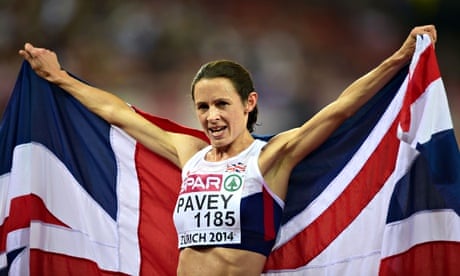
When Jo Pavey crossed the finish line at the 2014 European Championships, she didn’t just win the 10,000 metres.
At 40 years old, she became the oldest female European champion in history, claiming the first major title of her long career just ten months after giving birth to her second child.
It was the kind of victory sport doesn’t always know how to explain. We are used to stories of young athletes rising quickly, collecting medals and reaching their peak before life becomes more complicated.
Jo’s story unfolded differently. Her greatest moment arrived after years of near misses, two children and a return to elite training that had to fit around the reality of family life.
Returning without the perfect conditions
Jo was still breastfeeding her daughter, Emily, in the spring of 2014, only a few months before the European Championships.
Training no longer took place within a perfectly controlled routine. It had to be fitted around feeds, childcare, sleepless nights and the everyday demands of raising a young family.
A treadmill at home became an essential part of her preparation, allowing her to train when leaving the house wasn’t practical. It was not the polished comeback often presented in sporting campaigns. It was improvised, interrupted and built around the life she already had.
Yet Jo didn’t see motherhood as something standing between her and her ambitions. It became part of the way she pursued them.
Success on a different timetable
By the time Jo arrived in Zurich, she had represented Great Britain at four Olympic Games and spent much of her career finishing agonisingly close to the major medals she wanted.
Earlier that summer, she had already won bronze in the 5,000 metres at the Commonwealth Games. Ten days later, she lined up for the European 10,000-metre final and produced the defining performance of her career.
Jo waited patiently throughout the race before making her move on the final lap. When she crossed the line in first place, her expression seemed to capture the disbelief of someone who had spent years wondering whether this moment would ever arrive.
Her success had not come too late. It had simply come on her own timetable.
More than an age-defying victory
Jo’s win challenged two deeply rooted assumptions in women’s sport: that an athlete’s best years must come when she is young, and that motherhood inevitably marks the beginning of decline.
Two years later, she represented Great Britain at the Rio Olympics, becoming the only British runner to compete at five Olympic Games.
Her career is a reminder that progress is not always linear and success does not have an expiry date. Sometimes experience, perspective and a life beyond sport can create a different kind of strength.
What Every Mum Can Take From This
There is so much pressure to achieve things by a certain age or within a particular version of life.
Jo Pavey reminds us that there is no single timeline for becoming who you are capable of being. Motherhood does not erase ambition, and taking longer does not make an achievement any less extraordinary.
Sometimes the moment you have been working towards arrives later than expected, when life is fuller, messier and more demanding than it has ever been.
It still counts. In fact, it might mean even more.
6. Dame Jessica Ennis-Hill
The Olympic Champion Who Learned That Balance Beats Perfection
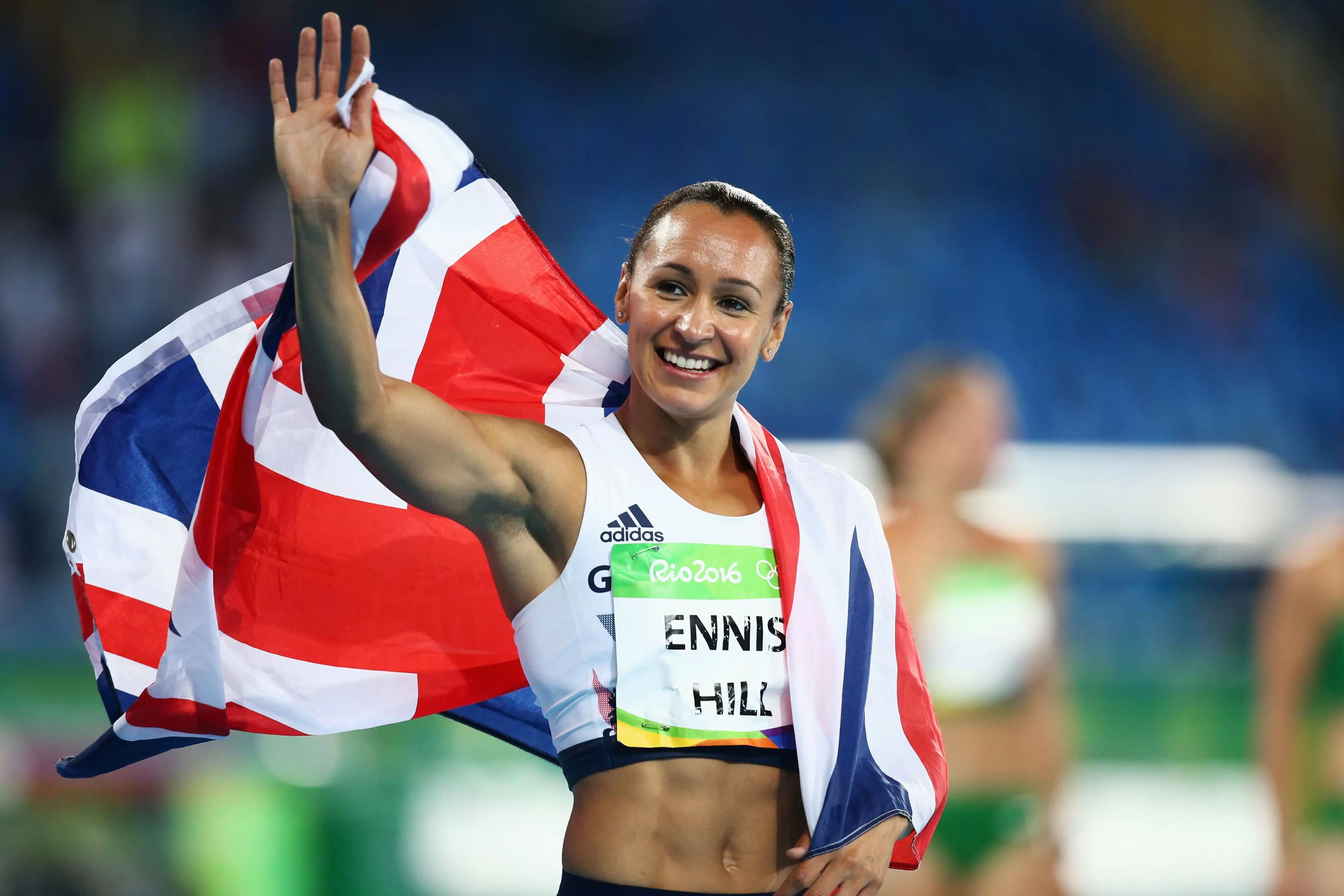
When Jessica Ennis-Hill announced that she was expecting her first child in 2014, Britain celebrated with her.
Behind the congratulations, however, came quieter questions. Would she ever return to elite sport? Could an Olympic champion really reclaim world-class form after becoming a mum?
Jessica wondered the same thing.
Beginning again
Motherhood introduced a challenge unlike anything she had encountered in the heptathlon.
Her body felt unfamiliar, training sessions looked different and recovery took longer. Sleep was suddenly unpredictable and, like millions of new mothers, Jessica discovered that patience had become just as important as determination.
Rather than rushing the process, she rebuilt slowly and purposefully, learning to listen to her body instead of fighting against it.
Silver that felt like gold
Only thirteen months after giving birth to her son, Reggie, Jessica stood on the podium at the 2015 World Championships in Beijing and won gold.
A year later, she collected Olympic silver in Rio.
While some commentators focused on the colour of the medal, Jessica later reflected that standing on that podium after becoming a mother meant more than many of her earlier victories.
Every achievement carried invisible work. Each training session had required childcare, every competition meant time away from her family and every success belonged to more people than herself.
Honest conversations
Jessica has since become an important voice in normalising the realities of postpartum recovery.
She has spoken openly about pelvic floor rehabilitation, rebuilding confidence and letting go of unrealistic expectations. It is advice that resonates far beyond elite sport.
Recovery is not something to race. It is something to respect.
What Every Mum Can Take From This
Progress rarely looks dramatic.
Sometimes, it is simply the decision to begin again with one walk, one workout or one small step at a time.
That is still progress.
7. Lizzie Deignan
The Cyclist Who Won Paris-Roubaix After Becoming a Mum
Professional cycling is renowned for its brutality, with long days, relentless climbs and bone-shaking cobbles.
Few races are tougher than Paris-Roubaix Femmes. Nicknamed The Hell of the North, it demands courage as much as endurance.
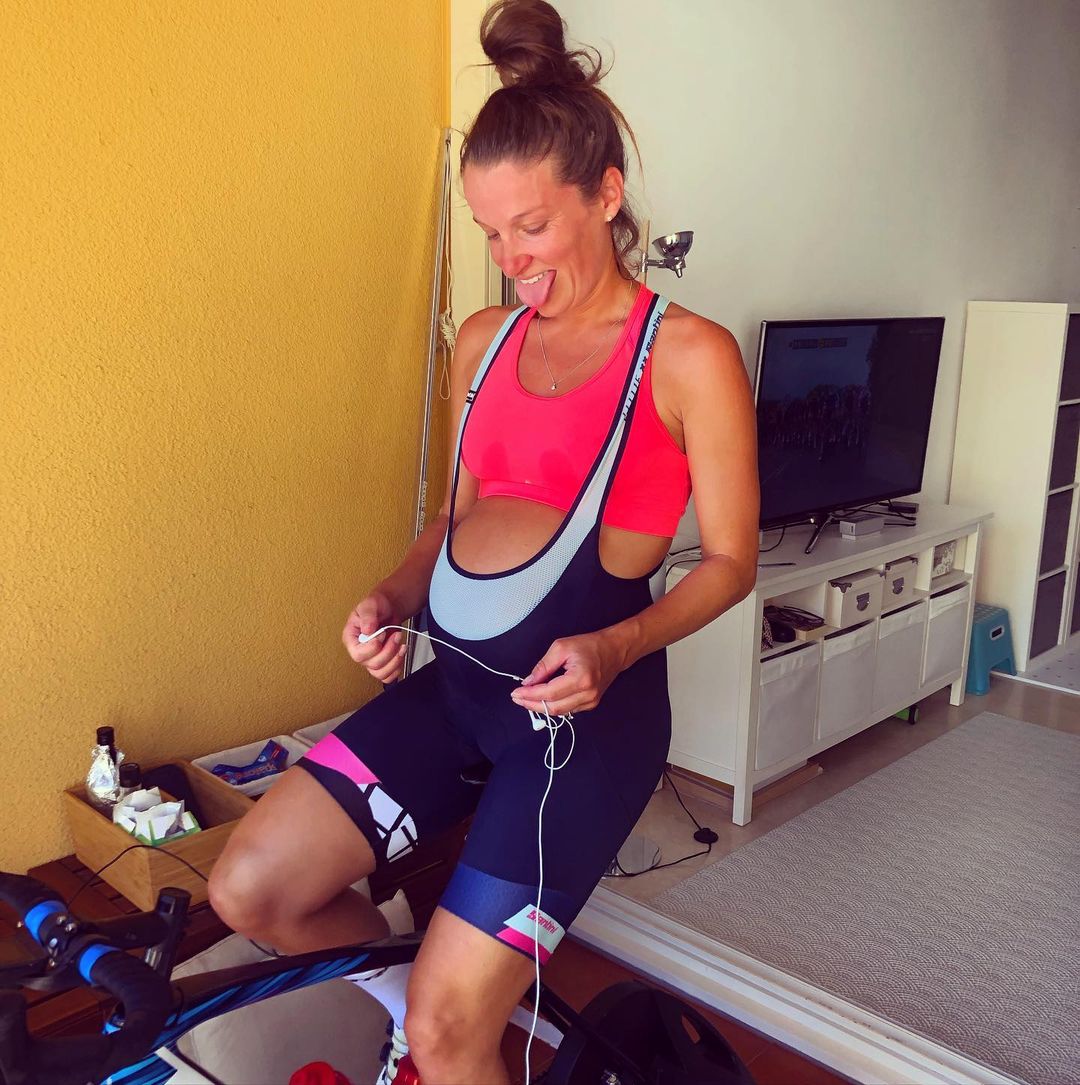
In 2021, Lizzie Deignan didn’t simply win it. She dominated it.
After attacking solo with more than 80 kilometres still to ride, she crossed the finish line alone following one of the greatest performances in modern cycling.
Just three years earlier, she had been at home with her newborn daughter.
Rejecting the “career break”
Lizzie has often challenged the language used to describe motherhood in sport.
Pregnancy wasn’t a break from being an athlete. It was simply another chapter of her career.
Her return wasn’t easy. Like so many mothers, she had to rebuild her confidence alongside her fitness. Yet she also returned with something she hadn’t possessed before: perspective.
She no longer raced purely to prove herself. She raced because she loved it.
Paving the way
Lizzie has become a vocal advocate for better maternity support in professional cycling, encouraging teams and governing bodies to protect female athletes throughout pregnancy and beyond.
Her success challenged long-held assumptions that motherhood marked the end of sporting excellence.
Instead, she became living proof that women can reach entirely new heights after becoming parents.
What Every Mum Can Take From This
Life doesn’t always pick up exactly where it left off. Sometimes, it writes a better chapter.
Lizzie’s greatest victory came after motherhood, not before it.
Coming up in Chapter Three…
We'll meet four more amazing mothers going above and beyond in the sporting world. But without the village around them (as they openly talk about), none of these women would be where they are today.
Our third, penultimate chapter takes a closer look at the village it takes to make greatness happen.
Stay tuned, as they say!